
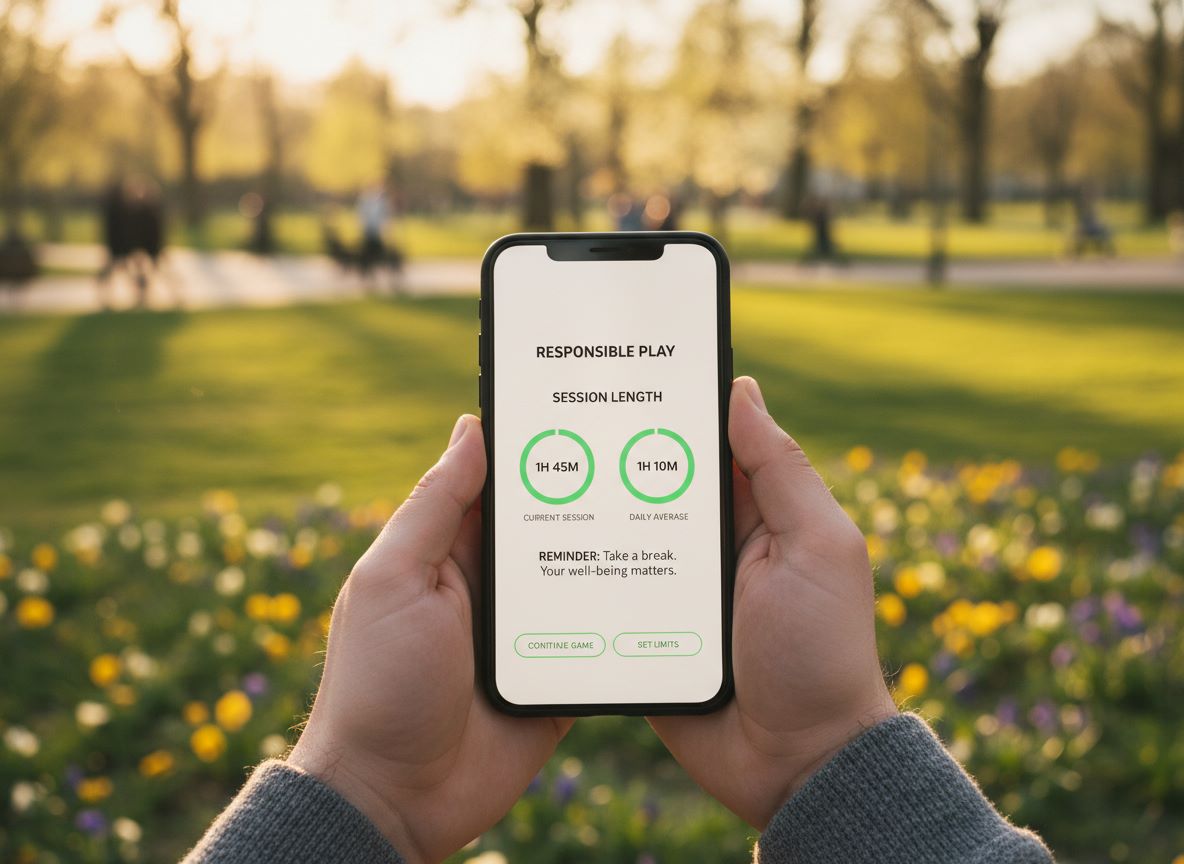
Recent meta-analysis research reveals that responsible gaming pop-ups demonstrate moderate short-term effects, with behavioral impact scores reaching 0.505 on standardized measures. This finding represents a significant breakthrough in understanding how digital interventions can influence gambling behavior, particularly as the US gaming market continues its rapid expansion across multiple states and platforms.
While general gaming session data provides valuable insights into player behavior patterns, gambling-specific research reveals distinct differences in how US players interact with various platforms and respond to intervention measures. The growing body of evidence suggests that tailored pop-up strategies designed specifically for US demographics could substantially improve compliance rates and enhance responsible gaming outcomes across diverse player populations.
What Research Says About Pop-Up Effectiveness
Comprehensive meta-analysis data demonstrates that responsible gaming pop-ups produce moderate effects on both cognitive processes and behavioral outcomes, with cognitive impact measuring 0.413 and behavioral changes reaching 0.505 on effect size scales. These findings represent the most robust evidence to date supporting the implementation of digital intervention tools in gambling environments.
However, the effectiveness of these interventions remains primarily limited to short-term periods following exposure. Long-term behavioral modification data remains scarce, creating significant gaps in our understanding of sustained impact. Additionally, research highlights concerning limitations including player irritation, low message recall rates, and insufficient longitudinal studies tracking extended behavioral changes.
The current evidence base, while promising, underscores the need for more sophisticated approaches to responsible gaming interventions. Players demonstrate varying responses to different pop-up formats, with some showing preference for self-appraisal mechanisms over traditional warning messages.
Short-Term Behavioral Changes
Laboratory and naturalistic studies reveal several key behavioral modifications following pop-up exposure. The most significant changes occur in wagering patterns and perception management, though the magnitude varies considerably between controlled and real-world environments.
- Reduced wagering amounts immediately following pop-up exposure, with effects lasting 15-30 minutes on average
- Decreased illusion of control, particularly among players who engage with self-assessment pop-ups
- Temporary session length reductions, most pronounced among recreational players
- Enhanced awareness of time spent gambling, though this effect diminishes rapidly without reinforcement
- Modified betting velocity, with players taking longer pauses between individual wagers
Player Reactions and Drawbacks
Approximately 40% of players report feeling disrupted or annoyed by pop-up interventions, presenting a significant challenge for operators seeking to implement effective responsible gaming measures. Self-appraisal formats demonstrate better acceptance rates among certain player segments, particularly those already concerned about their gambling behavior.
The tension between intervention effectiveness and player experience creates complex implementation challenges. Players who benefit most from pop-ups often show initial resistance, while those least likely to develop problems may be more accepting of the interventions.
Average US Gaming Session Lengths by Demographics
Understanding session length patterns across different demographic groups provides crucial insights for implementing targeted responsible gaming measures. US gaming data reveals significant variations based on age, platform preference, and gaming experience, with implications extending directly to gambling behavior management.
Teenage players typically engage in extended sessions lasting 2-4 hours, while senior players generally maintain shorter sessions under one hour. These patterns, derived from broader video gaming research, offer valuable frameworks for understanding gambling session dynamics in the US market.
| Age Group | Console/PC Session | Mobile Session | Weekly Hours | Key Notes |
|---|---|---|---|---|
| 13-17 Years | 2-4 Hours | 45-90 Minutes | 15-25 Hours | Highest risk for extended sessions |
| 18-24 Years | 1.5-3 Hours | 30-60 Minutes | 12-20 Hours | Peak gambling demographic |
| 25-34 Years | 1-2 Hours | 20-45 Minutes | 8-15 Hours | Work-life balance constraints |
| 35-49 Years | 45-90 Minutes | 15-30 Minutes | 6-12 Hours | Family responsibilities limit time |
| 50-64 Years | 30-75 Minutes | 10-25 Minutes | 4-8 Hours | Growing mobile preference |
| 65+ Years | 20-45 Minutes | 5-15 Minutes | 2-6 Hours | Shortest sessions, health considerations |
Platform-Specific Variations
Mobile gaming sessions consistently demonstrate shorter durations compared to PC and console platforms, with average mobile sessions lasting approximately 5-6 minutes globally. This pattern holds significant relevance for US gambling operators, as mobile platforms continue gaining market share across all demographic segments.
The contrast between platform engagement patterns reveals important insights for responsible gaming implementation. PC and console users typically engage in longer, more immersive sessions that may require different intervention strategies compared to mobile users who demonstrate frequent but brief engagement periods.
| Platform | Avg Session | Frequency | US Relevance |
|---|---|---|---|
| Mobile | 5-15 Minutes | 8-12 Times Daily | Fastest growing gambling segment |
| Desktop PC | 45-120 Minutes | 1-3 Times Daily | Traditional online gambling platform |
| Tablet | 20-45 Minutes | 2-4 Times Daily | Bridge between mobile and desktop usage |
| Smart TV | 60-180 Minutes | 1-2 Times Weekly | Emerging platform for social gaming |
| Console | 90-240 Minutes | 3-5 Times Weekly | Limited gambling integration currently |
How Pop-Ups Target Extended Sessions
Responsible gaming pop-ups employ sophisticated targeting mechanisms designed to identify and interrupt potentially problematic gaming patterns before they escalate. These interventions focus particularly on extended sessions that exceed normal recreational timeframes, with special attention to teenage and young adult players who demonstrate highest risk for prolonged engagement.
The implementation of session-targeting pop-ups requires careful calibration of timing, frequency, and message content to maximize effectiveness while minimizing player disruption. Research indicates that well-designed interventions can reduce session lengths by 15-25% when properly implemented across diverse player populations.
- Monitor continuous play duration and trigger initial warnings after predetermined time thresholds, typically ranging from 60-90 minutes depending on platform and player history
- Analyze betting velocity and stake escalation patterns to identify players entering potentially problematic states requiring immediate intervention
- Deploy graduated response protocols that increase intervention intensity based on continued play beyond initial warnings
- Integrate real-time spending analysis to trigger pop-ups when players exceed preset budget limits or demonstrate unusual financial behavior
- Implement cross-platform session tracking to prevent players from circumventing limits by switching between devices or applications
- Provide mandatory cooling-off periods following extended sessions, with pop-ups blocking immediate re-entry to gaming environments
- Offer alternative activities and resources through pop-up interfaces to redirect player attention toward healthier recreational options
Types of Responsible Pop-Ups
Responsible gaming pop-ups fall into three primary categories: informative alerts that provide factual data about gaming behavior, self-appraisal prompts that encourage player reflection, and high-activity warnings that address immediate risk situations. Each type serves distinct purposes within comprehensive responsible gaming frameworks.
Self-appraisal pop-ups demonstrate superior effectiveness among players already concerned about their gambling behavior, while informative alerts work better for recreational players who may benefit from increased awareness of their gaming patterns without feeling judged or restricted.
Timing and Triggers
Optimal pop-up timing requires sophisticated analysis of individual player behavior patterns combined with evidence-based trigger mechanisms. Most effective implementations activate after one hour of continuous play or following significant financial losses, though these parameters require adjustment based on player demographics and platform characteristics.
- Session duration triggers activate after 60-90 minutes of continuous play, with shorter intervals for mobile platforms
- Loss-based triggers engage when players exceed preset spending limits or demonstrate unusual betting escalation patterns
- Velocity triggers respond to rapid-fire betting behavior that may indicate loss-chasing or emotional decision-making
- Time-of-day considerations factor in late-night sessions when judgment may be impaired or during extended weekend gaming periods
- Platform-specific triggers account for different engagement patterns between mobile, desktop, and tablet users
US Operator Tools for Session Control
Leading US gambling operators have implemented comprehensive session control systems that extend beyond basic pop-up alerts to include sophisticated player protection mechanisms. These tools represent the current state-of-the-art in responsible gaming technology, with platforms like McLuck pioneering innovative approaches to player safety and session management.
The integration of pop-up alerts with broader session control frameworks creates multiple layers of player protection. These systems must comply with varying state-level regulations while maintaining user-friendly interfaces that encourage voluntary participation rather than mandatory compliance.
| Operator | Pop-Up/Session Features | Limits | Access Method |
|---|---|---|---|
| McLuck | Time-based alerts, session caps, reality checks | 1-24 hour sessions, spend limits | Account settings, in-game menu |
| DraftKings | Deposit limits, time notifications, loss limits | Daily/weekly/monthly controls | Responsible gaming portal |
| FanDuel | Play breaks, spending alerts, time tracking | Customizable time and money limits | Main menu, dedicated RG section |
| BetMGM | Session reminders, cooling-off periods | 1-6 month exclusions available | Account preferences, customer service |
| Caesars | Time alerts, reality check pop-ups | Flexible time and budget controls | Profile settings, help center |
Self-Exclusion and Limits
Self-exclusion programs represent the most comprehensive form of session control available to US players, with mandatory 24-hour waiting periods for stake increases serving as crucial protection mechanisms. Pop-up alerts play essential supporting roles by reminding players of their self-imposed limits and providing easy access to exclusion tools during emotional gaming moments.
The integration of pop-up technology with self-exclusion systems creates powerful synergies that enhance player protection beyond what either approach achieves independently. Players who set session limits receive regular reminders about their goals, while those approaching self-exclusion boundaries receive immediate intervention opportunities.
Modern self-exclusion systems extend across multiple platforms and operators, requiring sophisticated data sharing and verification protocols. Pop-up alerts facilitate this process by providing consistent messaging and unified access points regardless of which platform or device players use for gambling activities.
Challenges in US Responsible Gaming Implementation
Implementation of responsible gaming pop-ups faces significant obstacles in the US market, with player irritation representing a primary concern for operators seeking to balance protection with engagement. The fragmented nature of state-level regulation creates additional complexity, as operators must navigate varying requirements while maintaining consistent user experiences across multiple jurisdictions.
The absence of standardized session metrics across the US gambling industry hampers efforts to establish evidence-based intervention thresholds. Without consistent data collection and sharing protocols, operators struggle to identify optimal pop-up timing and frequency parameters that maximize effectiveness while minimizing player disruption.
Cultural resistance to perceived gambling restrictions presents another significant implementation challenge, particularly among players who view pop-ups as intrusive or paternalistic. This resistance often undermines the effectiveness of well-designed interventions and may drive players toward unregulated platforms that lack responsible gaming protections.
Regulatory Gaps
The current regulatory landscape lacks mandatory pop-up requirements in most US jurisdictions, creating inconsistent player protection standards across state lines. This absence of federal standards allows some operators to implement minimal interventions while others invest heavily in comprehensive player protection systems.
- No federal mandate for responsible gaming pop-ups creates patchwork of state-level requirements and voluntary industry standards
- Limited data sharing between operators prevents comprehensive cross-platform player protection and session monitoring
- Absence of standardized intervention metrics makes it difficult to compare effectiveness across different pop-up implementations
- Regulatory focus on revenue generation often overshadows player protection priorities in policy development
- Enforcement mechanisms for existing responsible gaming requirements remain underdeveloped and inconsistently applied
- International best practices struggle to gain adoption due to jurisdictional differences and industry resistance
Optimizing Pop-Ups for US Players
Research indicates that dynamic, brief pop-ups demonstrate superior effectiveness compared to static, lengthy messages, particularly when tailored for specific demographic groups such as teenagers and senior players. The optimal approach requires careful consideration of cultural preferences, technological literacy levels, and platform-specific user interface limitations.
Age-based optimization represents a critical frontier in responsible gaming pop-up design, with younger players responding better to interactive elements while older players prefer straightforward informational content. This demographic targeting requires sophisticated player profiling systems that can adapt messaging in real-time based on individual characteristics and behavior patterns.
| Pop-Up Type | Effect Size | Best For US Demo | Evidence |
|---|---|---|---|
| Dynamic Self-Assessment | 0.52 | Ages 25-45 | Meta-analysis, 15 studies |
| Brief Time Alerts | 0.48 | Senior players 65+ | Naturalistic studies, 8 trials |
| Interactive Spend Tracking | 0.61 | Young adults 18-24 | Laboratory research, 12 studies |
| Static Warning Messages | 0.31 | All demographics | Mixed effectiveness, 22 studies |
Future Recommendations
The future of responsible gaming pop-ups lies in personalized interventions driven by comprehensive activity data analysis and machine learning algorithms. These advanced systems could predict problematic gambling patterns before they fully develop, providing proactive rather than reactive player protection measures tailored to individual risk profiles.
Long-term research initiatives represent critical gaps in current knowledge, with most existing studies focusing on immediate behavioral changes rather than sustained impact over months or years. The development of longitudinal research protocols specifically designed for US gambling markets could provide essential evidence for optimizing intervention strategies and demonstrating return on investment for operator responsible gaming programs.